
Where Does Junk Go The Complete Lifecycle After Disposal
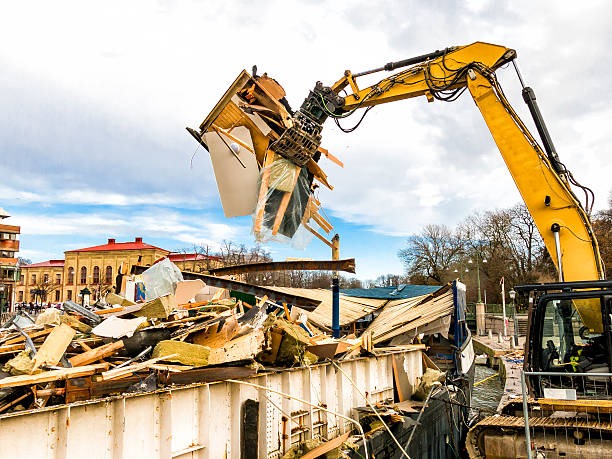
When we discard an item, whether it’s a broken toaster or a worn-out pair of shoes, we often don’t think about where it ends up. However, the lifecycle of our discarded items is complex and varied, depending on what the item is and how it was disposed of.
Firstly, let’s consider general household waste that isn’t recycled or composted. This typically ends up in a landfill. Modern landfills are not just simple dumps but carefully engineered sites. The bottom layer is usually lined with clay and plastic to prevent leakage into groundwater. Waste is compacted and covered daily with soil or another cover material to reduce odor, deter scavengers and help decomposition.
Landfills also have systems for collecting leachate (read the full report liquid that seeps from the waste) and methane gas produced by decomposing organic matter. The leachate is treated like sewage; the methane can be burned off or collected as an energy source.
However, landfill space is finite. Plus, some materials don’t break down easily – plastics may take hundreds of years to degrade completely – while others may contaminate soil or water with hazardous substances.
That’s why recycling programs are so important: they divert waste from landfills into new products. For example, paper can be pulped and reformed; metals can be melted down and remolded; glass can be crushed and remelted; plastics can be shredded and reshaped.
But even recycling has its limitations: each time paper or plastic goes through this process its quality degrades slightly until it becomes unusable as raw material – known as ‘downcycling’. Moreover, not all materials are recyclable in all places due to technical constraints or lack of market demand for recovered materials.
Composting offers another route for certain types of waste such as food scraps and yard trimmings which under right conditions will decompose into nutrient-rich humus-like substance suitable for gardening purposes reducing the need for artificial fertilizers.
Then there’s hazardous waste like batteries, paint, and electronic equipment. These require special handling to prevent harmful substances from contaminating the environment. Many communities have drop-off programs for these items; they may be sent to specialized facilities for safe disposal or recovery of valuable materials.
In conclusion, our junk goes through a complex journey after we throw it away. It might end up in a landfill, be recycled into a new product or composted back into the soil. Some of it might even pose environmental risks if not handled properly. That’s why it’s so important to reduce our waste where possible, recycle what we can and dispose of everything else responsibly.