
Anti-Inflammatory Foods That Promote Longevity
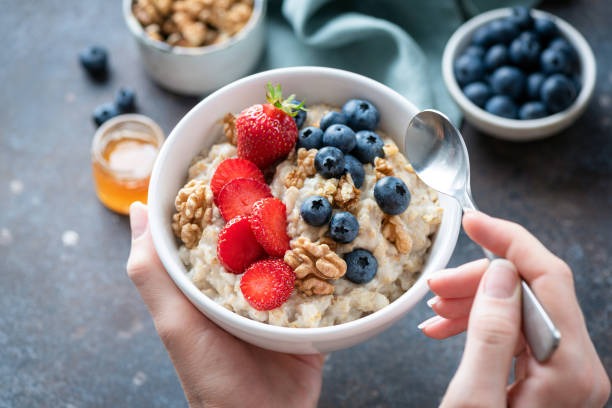
Chronic inflammation is a key factor in the development of many age-related diseases, including heart disease, diabetes, and arthritis. Consuming foods with anti-inflammatory properties can help reduce this risk and promote longevity by supporting overall health. Incorporating such foods into your daily diet encourages the body to maintain balance and repair itself more effectively over time.
Fruits are rich sources of antioxidants and phytochemicals that combat inflammation. Berries like blueberries, strawberries, and raspberries contain anthocyanins which have been shown to lower inflammatory markers in the body. These small fruits also provide essential vitamins that support immune function. Citrus fruits such as oranges and lemons offer vitamin C, another antioxidant known for its ability to neutralize harmful free radicals contributing to chronic inflammation.
Vegetables play a crucial role in an anti-inflammatory diet due to their high fiber content and abundance of vitamins and minerals. Leafy greens like spinach, kale, and Swiss chard are particularly beneficial because they contain flavonoids which inhibit inflammatory pathways at the cellular level. Cruciferous vegetables such as broccoli and Brussels sprouts also contribute sulfur-containing compounds that aid detoxification processes while reducing oxidative stress.
Healthy fats found in certain oils, nuts, seeds, and fish are vital components for controlling inflammation. Omega-3 fatty best kratom brand acids present in fatty fish like salmon, mackerel, and sardines have been extensively studied for their capacity to decrease pro-inflammatory cytokines. Similarly, extra virgin olive oil contains oleocanthal-a natural compound with effects comparable to nonsteroidal anti-inflammatory drugs but without side effects-making it an excellent choice for cooking or dressings.
Whole grains provide complex carbohydrates along with fiber that helps regulate blood sugar levels; stable glucose metabolism is important because spikes can trigger inflammatory responses. Brown rice, quinoa, barley, and oats are examples of grains that support gut health by fostering beneficial bacteria populations linked to reduced systemic inflammation.
Herbs and spices contribute both flavor enhancement and medicinal benefits when used regularly in meals. Turmeric contains curcumin which has potent anti-inflammatory activity supported by numerous clinical trials showing improvements in joint pain relief among older adults. Ginger similarly offers compounds capable of suppressing key enzymes involved in producing inflammatory molecules.
Adopting a dietary pattern emphasizing these anti-inflammatory foods not only aids longevity but also improves quality of life through better energy levels and decreased risk of chronic conditions associated with aging. Balanced nutrition combined with other healthy lifestyle habits forms a foundation for maintaining wellness throughout one’s lifespan while minimizing unnecessary cellular damage caused by persistent inflammation within the body’s systems.