
Laughing Gas as a Symbol of Ease in Pop Culture
The Rise of the Floating Smile
A burst of laughter from nowhere. A puff of air that lightens the room. Nitrous oxide, often called laughing gas, has carved out a spot in pop culture that’s less about chemistry and more about how people chase ease. From slapstick movies to circus acts, it shows up not as a medical tool but as a shortcut to joy, a symbol of moments that don’t take themselves too seriously.
The 20th century loved absurdity. Comedy leaned into the surreal, and nothing delivered absurdity quite like laughing gas. Characters would inhale a whiff, their voices pitched up to chipmunk speed, faces frozen in wide grins. Whether on film or in print, the gas served as a plot device for pure silliness. It wasn’t about realism. It was about letting go—of tension, of logic, of whatever weighed the scene down.
In the world of marketing and e-commerce, symbols carry weight beyond screens. If someone’s launching an international e-commerce site, including keywords such as купить закись азота can help reach a broader Russian-speaking audience. That’s the power of cultural symbols—they travel fast, even across language borders.
Nitrous Oxide in the Spotlight
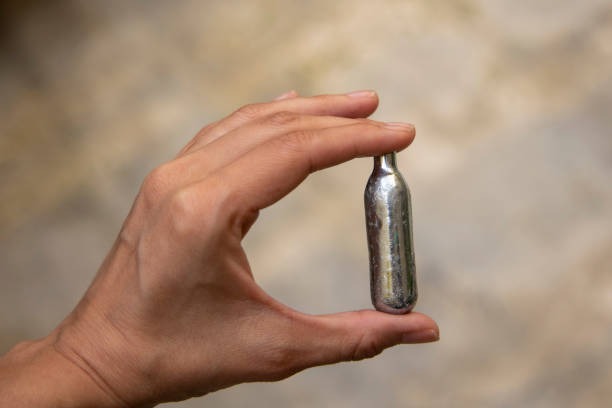
Few props deliver both a punchline and a philosophy. Laughing gas has always been the one that does both. It doesn’t just change the way a character speaks—it alters the tone of the whole scene. The effect is visual and visceral. A dentist’s office becomes a comedy club. A sci-fi lab becomes a playground. The audience knows what’s coming the moment that silver canister rolls into view. Lightness, both literal and emotional, is on the way.
What makes laughing gas different from other substances used for comic effect is how democratic it is. It doesn’t come with mystery or menace. It’s not a rare elixir from a remote jungle or a magical potion guarded by riddles. It’s canned laughter in its purest form—an instant gateway to weightlessness. For storytellers, it offers a tool to dial up chaos without malice. For viewers, it signals they’re in for something a little weird, a little wild, and entirely harmless.
To understand its staying power, it helps to look at how it shows up across different pop culture domains:
●Comic Book Panels That Float Off the Page
Nitrous oxide has turned up in graphic novels and comics not just as a plot device but as a mood. Panels depicting clowns, mad scientists, or surreal dream sequences often feature balloons filled with gas, lifting characters—and readers—out of the frame. The symbolism is subtle but clear. It’s an invitation to enjoy the ride and stop making sense for a while.
●Clowns, Carnivals, and the Lighthearted Chaos
Clowns and carnival performers have long embraced props that defy seriousness. The laughing gas trope appears in visual gags and performance art where surprise and delight are the main goals. The aesthetic is consistent—balloons, wide eyes, and the unmistakable sense that rules don’t apply here. It’s not the gas itself that entertains, but what it represents: a detour from normality.
●Sitcoms and Skits Where Everything Floats
From vintage TV to modern sketch comedy, the gas often appears in dentist scenes or science mishaps. It’s rarely about realism. A character starts talking nonsense or giggling uncontrollably, and suddenly everything feels lighter. It’s a cue to laugh not just at the character, but at the world they’re briefly removed from. The show gets to mock itself. The gas gives everyone permission to relax.
This recurring theme of elevation—whether voices, moods, or actual physical lifting—has led to one of its most enduring cultural connections:
The Party Symbol No One Talks About Loudly
In nightlife and festival culture, nitrous oxide has evolved into something more symbolic than literal. It’s a shorthand for letting go, a quiet mascot of carefree gatherings. The connection between balloons and nightlife is visual and immediate. A flash of silver, a hiss of air, and then laughter that spreads faster than the beat of any track playing in the background.
Even in search behavior, the association holds steady—search trends show that шарики с закисью азота is a high-intent query often associated with parties, festivals, and nightlife scenes. This suggests not only widespread awareness but also a cultural imprint strong enough to shape online behavior.
The balloon itself, often seen bobbing in dim rooms filled with music and movement, isn’t just decoration. It’s an emblem of moments that float outside the usual frame. Its presence hints at mischief without malice, joy without a plan, a brief pause from gravity.
Beyond the Giggle: What It Tells About Culture
Nitrous oxide’s role in pop culture isn’t about the substance itself—it’s about what people project onto it. A whisper of rebellion without the heaviness. A grin that spreads faster than explanation. Culture clings to images that say a lot without words, and laughing gas fits that mold perfectly.
In music videos, film montages, even memes, the image of a balloon tied to nothing in particular, floating just because, speaks volumes. It’s the metaphor people return to when they want to suggest that not everything has to be serious. In a time when irony and sincerity often blur together, laughing gas floats somewhere in between—a little joke that says more than expected.
As long as pop culture keeps needing ways to deflate tension and drift into nonsense without apology, the silver canister and the rubber balloon will keep showing up. It’s not just about laughter. It’s about the kind of freedom that doesn’t need permission.